Design systems specialist enabling teams to ship consistent high-impact products at scale.

Scaling a unified taxonomy for globally distributed product teams

Naming is not documentation. It’s design infrastructure.

Design systems2025
Hero picture of NielsenIQ case study

As Global Design Systems Lead at NielsenIQ, I defined the strategic direction for taxonomy and naming across a complex, multi-product ecosystem—supporting 300+ product professionals across distributed teams and regions.

What initially appeared to be a terminology issue revealed itself as a systemic scaling problem. Inconsistent naming was creating friction across design, product, and engineering—slowing teams down and weakening trust in the design system.

By establishing a shared language, introducing transitional strategies, and embedding governance into the system, I created a more scalable foundation for cross-functional collaboration and long-term design system adoption.
The challenge

The core issue wasn’t inconsistency—it was the absence of a shared language across teams.

As NielsenIQ grew through acquisitions, multiple products, teams, and ways of working coexisted across regions and disciplines. Over time, inconsistencies in naming became deeply embedded:

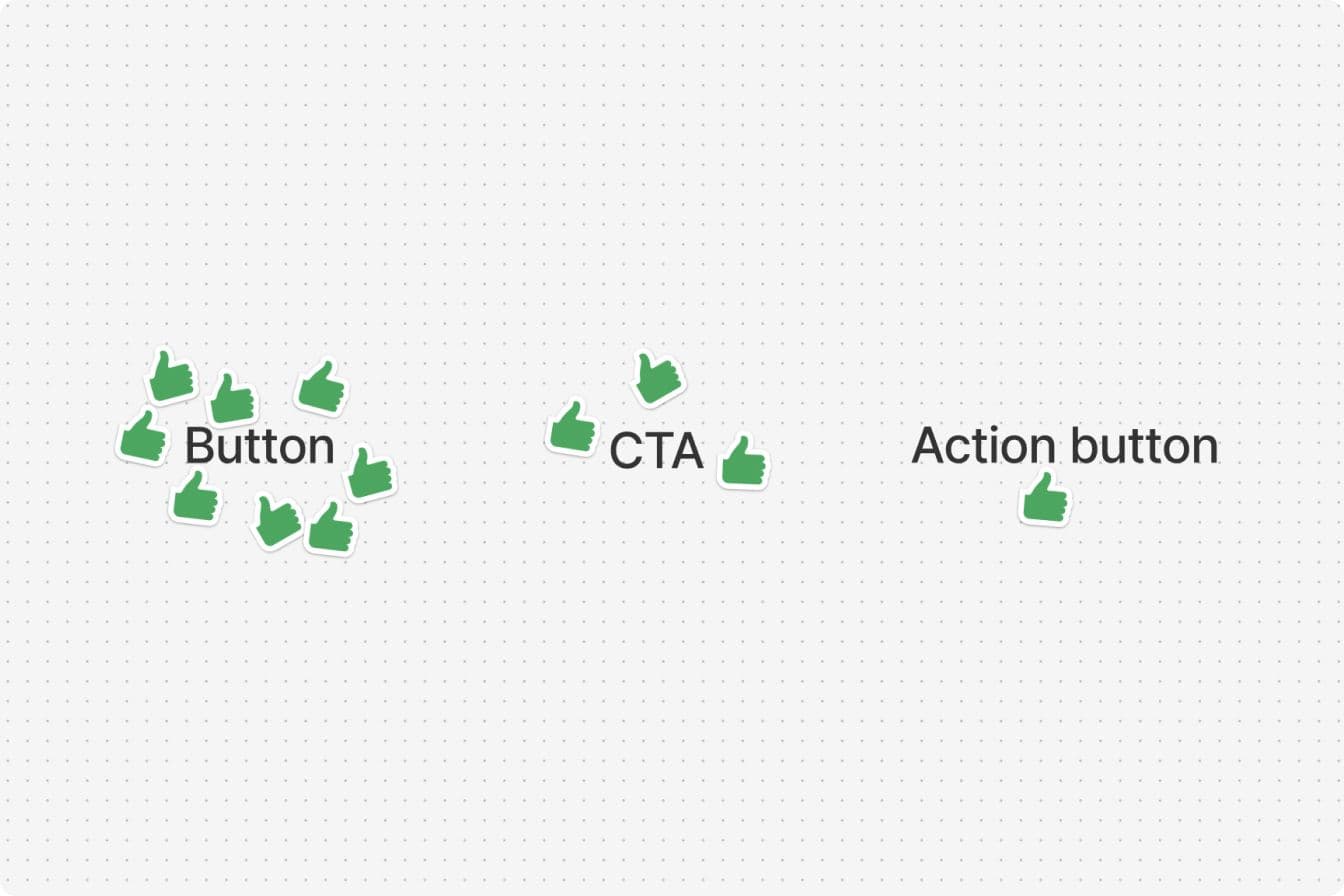
  • The same component existed under multiple names
  • The same name referred to different behaviours
  • Design files, documentation, and code drifted apart

What seemed like a minor terminology issue was, in reality, a scaling problem. Without a shared language, teams were spending unnecessary time aligning, rediscovering components, and resolving ambiguity. This quietly introduced friction into everyday workflows and reduced trust in the design system.

Language shapes how we think and collaborate.
Lera Boroditsky

As cognitive scientist and linguist lera boroditsky explains in her TED talk, language fundamentally shapes how we think, perceive, and collaborate. The same applies to product development: terminology can either create shared understanding—or amplify fragmentation.

Without a clear and consistent naming model, both technical and organisational debt accumulate quickly. The longer this ambiguity persists, the harder it becomes to realign.

Naming is design infrastructure

Naming is not a layer of documentation—it is part of the system itself.

Naming is often treated as a layer of documentation. In practice, it is part of the system itself. A design system cannot scale without a shared vocabulary. Much like a dictionary, this language becomes the reference point for how teams design, build, and communicate. Without it:

  • Components are harder to find and reuse
  • Collaboration slows down
  • System integrity degrades over time
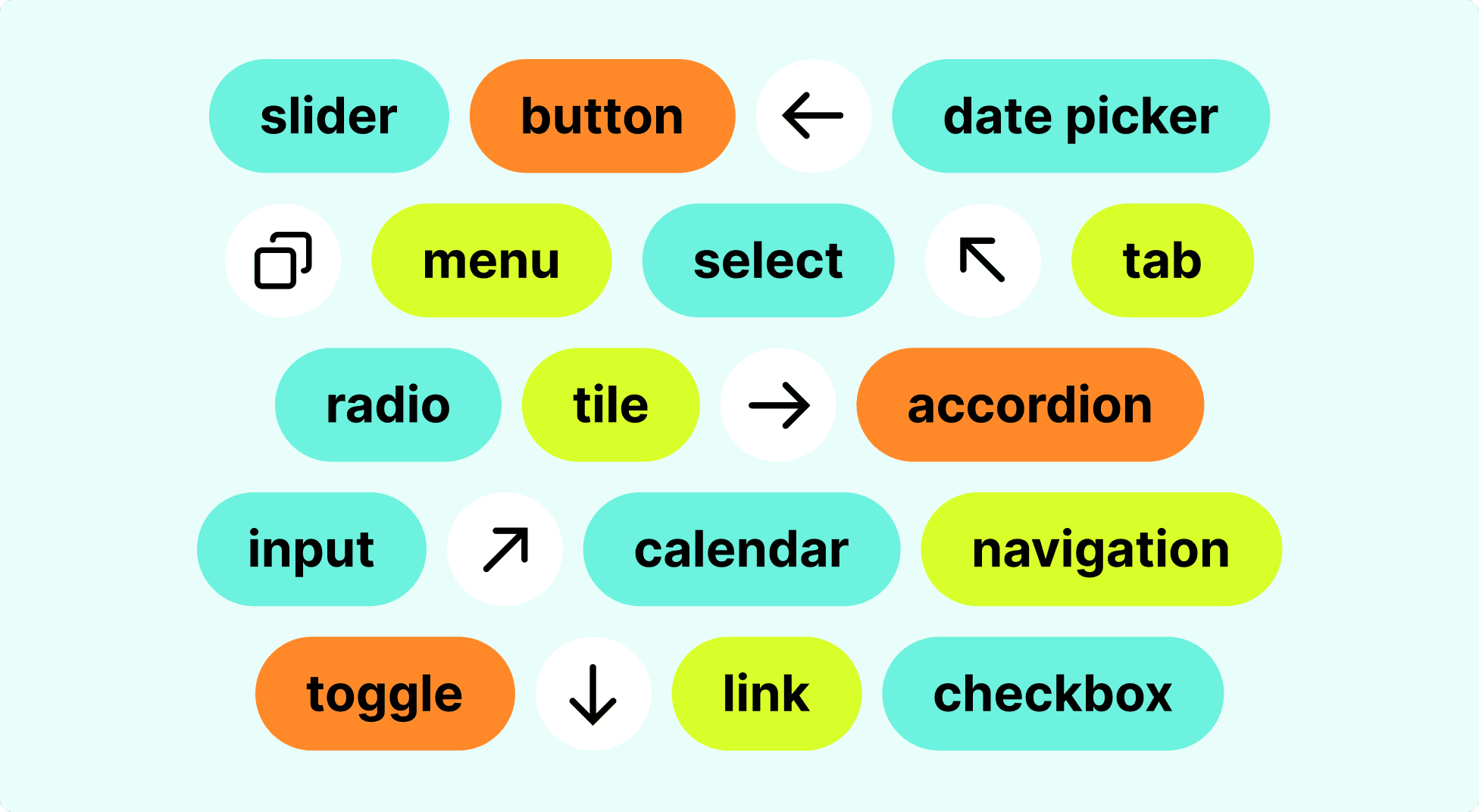
Image of a naming exercise

Approach

This was not approached as a naming exercise—it was treated as a system and adoption problem.

Rather than enforcing a rigid naming system upfront, I approached this as a systems and adoption problem. I identified recurring gaps across design, documentation, and engineering—highlighting where terminology was creating friction or duplication. This shifted conversations from subjective opinions to shared decision-making.

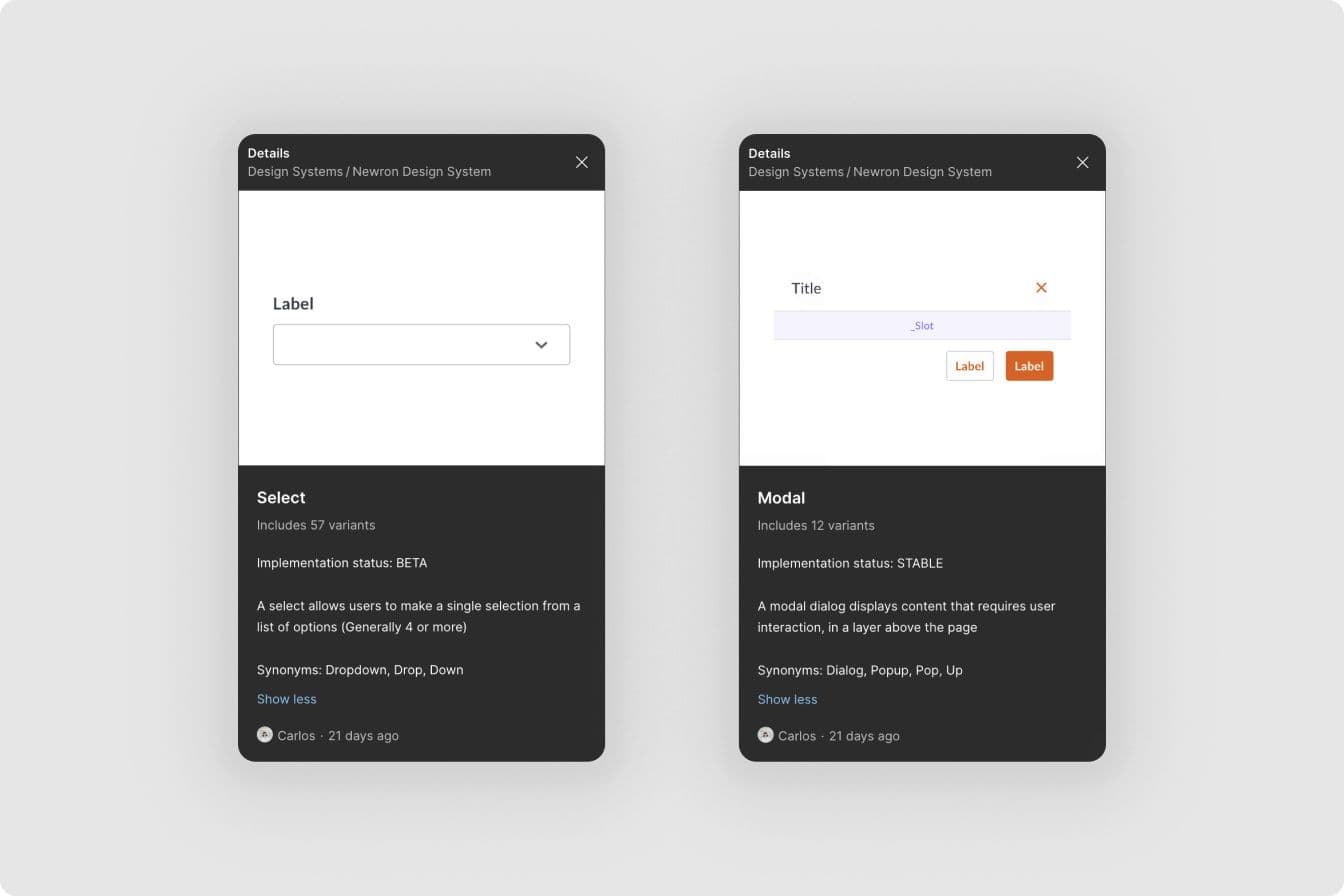
To avoid disrupting delivery, we implemented synonyms and aliases across design tools and code. Naming became part of the design system itself—not a one-off clean-up effort.

Audit

Mapped inconsistencies across design, documentation, and code.

Align

Defined principles: clarity, consistency, findability.

Transition

Introduced synonyms and aliases for progressive alignment.

Govern

Embedded naming into documentation and governance.

This ensured the system could scale sustainably as new components and teams were introduced.

Image of aliases usage across components

System evolution

The goal wasn’t to enforce consistency—it was to enable convergence over time.

Once the direction was clear, the challenge became enabling alignment without slowing teams down. Instead of enforcing consistency upfront, the system supported progressive convergence—allowing distributed teams to move from fragmented terminology toward a unified, scalable taxonomy.

Fragmented naming

  • Duplicates
  • Confusion
  • Low trust

Synonyms layer

  • Alisases
  • Mapping
  • Gradual alignment

Unified taxonomy

  • Shared language
  • Governance
  • Scalabile system

Impact

This work didn’t just standardise naming—it changed how teams collaborate and scale.

With a clearer structure in place, the design system moved from fragmented usage toward a more aligned and scalable foundation—unlocking tangible improvements across teams, workflows, and product areas.

This established a shared language that continues to support collaboration, adoption, and long-term system growth across the organisation.

Alignment

A shared vocabulary reduced ambiguity across design, product, and engineering—improving alignment across multiple product teams and disciplines working within a distributed organisation.

Cognitive Load

Consistent naming improved findability and reuse across hundreds of components in design files, documentation, and implementation—reducing everyday friction in design and development workflows.

Adoption

Clear terminology rebuilt trust in the design system, encouraging more consistent usage across teams and increasing reliance on shared components in day-to-day product development.

Scalability

A unified taxonomy created a stable structure for the system to evolve—supporting long-term growth across multiple product verticals without increasing complexity.

This work reduced friction, improved shared understanding, and strengthened how teams collaborate and scale across the organisation.

Final thoughts

The problem wasn’t inconsistency alone—it was the absence of a shared language.

This work reinforced a core belief: design systems are not just collections of components—they are organisational infrastructure. When structured well, they create alignment, reduce friction, and enable teams to operate at scale.

NielsenIQ is the world's leading consumer intelligence company, delivering the most complete understanding of consumer buying behaviour and revealing new pathways to growth.

nielseniq.com

NielsenIQ

Information Services